For years, global spice buyers leaned heavily on cheaper alternatives, often prioritizing volume over origin. But that mindset is shifting fast. Quality complaints, inconsistent aroma, sustainability concerns, and changing consumer preferences are prompting importers, food manufacturers, and distributors to reassess the origins of their cardamom.
And increasingly, the answer is Indian Cardamom.
What Makes Indian Cardamom Different From the Rest?
1. Superior Aroma and Oil Content
Indian cardamom stands apart from mass-origin alternatives in ways that matter most to quality-conscious buyers:
- Stronger, more persistent aroma
- Longer flavour retention after processing
- Lower usage per batch, reducing costs for manufacturers
2. Complex Flavour Profile Preferred by Premium Markets
The distinctive flavour complexity of Indian cardamom makes it the first choice for:
- Gourmet food and beverage producers
- Premium tea and coffee blend manufacturers
- Natural health and wellness product formulators
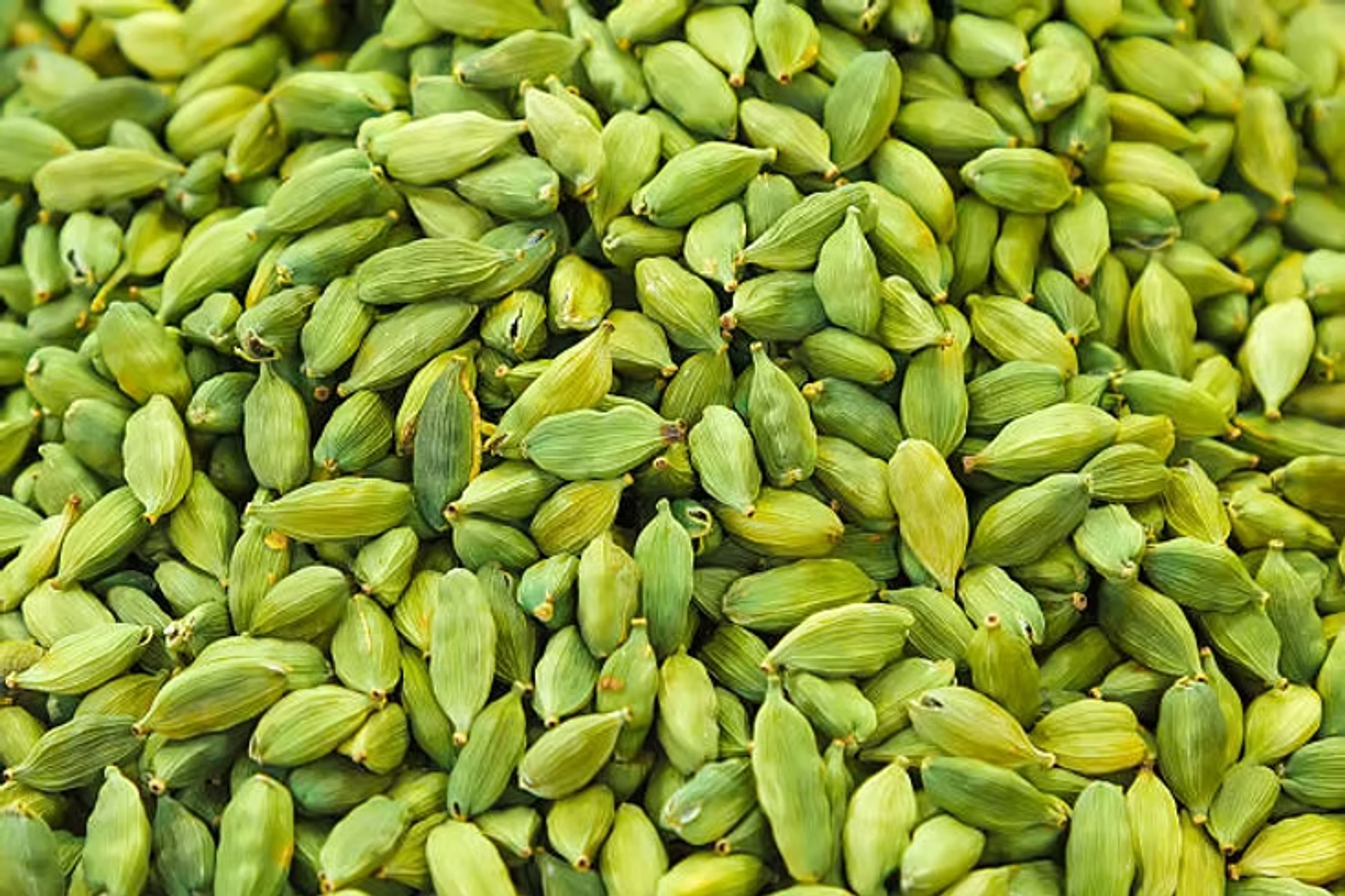
India's Position in the Global Cardamom Trade
India is the world's second-largest producer of cardamom, contributing 25–30% of global supply alongside Guatemala, the top producer. What truly sets India apart, however, is value. Indian cardamom commands 30–60% higher average export prices compared to mass-origin alternatives and buyers willingly pay the premium because the quality justifies it.
Top Importers of Indian Cardamom
| Region | Key Importing Countries |
|---|---|
| Middle East | Saudi Arabia, UAE, Kuwait, Qatar |
| Europe | Germany, UK, Netherlands, Scandinavia |
| Asia-Pacific | Japan, South Korea |
| North America | USA, Canada |
Middle Eastern markets alone account for 40–45% of India's cardamom exports by value, despite smaller volumes a clear indicator of how highly this region values Indian cardamom's quality.
India's Quality Standards Are Rising
Indian growers and exporters now focus on delivering export-grade cardamom through:
- Controlled harvesting at optimal maturity
- Improved curing and drying techniques
- Batch-wise grading and sorting
- Export-ready moisture and oil benchmarks
- Strict pesticide residue limits
- Full food safety compliance
- Export documentation and traceability
Price & Value Trend: Why Buyers Accept Higher Indian Prices
Between 2022–2025, the average export price of Indian green cardamom ranged between USD 28–40/kg, while competing origins often traded between USD 12–20/kg.
So why do buyers choose Indian cardamom at nearly double the price?
- Higher oil content → lower dosage required per application
- Better flavour stability → fewer reformulations needed
- Reduced rejection risk → lower hidden costs across the supply chain
The math works in the buyer's favor when the full cost of quality is considered.
Use Cases Where Indian Cardamom Clearly Wins
Indian cardamom is increasingly preferred in:
- High-end tea and coffee blends
- Artisan bakery and confectionery
- Middle Eastern sweets and beverages
- Nutraceuticals and herbal formulations
Key Buying Considerations for Importers and Distributors
Before placing your next cardamom order, evaluate your supplier on these criteria:
- Origin transparency (estate or region-level sourcing)
- Consistent grading standards
- Export-ready moisture control
- Custom packaging suited for long transit
- Reliable and scheduled shipment timelines
Choosing the Right Indian Cardamom Export Partner
Not all exporters operate at the same level. The right partner should offer:
- Transparent sourcing with full traceability
- Batch-wise quality assurance
- Documentation support for global compliance
- Long-term supply reliability, not just spot trading
This distinction matters enormously when you're building a consistent product for demanding markets.
Frequently Asked Questions
Why is Indian cardamom more expensive?
Why is Indian cardamom more expensive?
Because it delivers higher aroma, oil content, and consistency often requiring less quantity per application, which offsets the price difference.
Is Indian cardamom suitable for large-scale manufacturing?
Is Indian cardamom suitable for large-scale manufacturing?
Yes, when sourced from exporters who can ensure volume consistency and standardized grading across batches.
Which markets prefer Indian cardamom?
Which markets prefer Indian cardamom?
Premium markets in the Middle East, Europe, East Asia, and specialty food segments globally.
How long does Indian cardamom retain its flavour?
How long does Indian cardamom retain its flavour?
With proper processing and packaging, Indian cardamom retains its aroma significantly longer than most alternatives.
Working With a Trusted Indian Cardamom Exporter - VH Global Export
As a leading cardamom exporter from Gujarat, VH Global Export works closely with quality-focused suppliers and global buyers to deliver export-grade Indian cardamom that meets international expectations without overpromising or overselling.
Based in Rajkot, Gujarat India's spice heartland we combine deep regional sourcing expertise with modern quality assurance practices to serve buyers across the Middle East, Europe, North America, and Asia-Pacific.
If you're evaluating Indian cardamom for your next procurement cycle, a transparent conversation is always the best starting point.