India’s dominance in the global spice trade is not new but in 2026, it is stronger and more structured than ever.
From turmeric and cumin to chilli and oleoresins, Indian spices are exported worldwide for their quality, purity, and competitive pricing.
As per the latest available data (FY 2024–25), India exported approximately 1.75–1.80 million tonnes of spices worth $4.5–4.7 billion, making it the largest spice exporter globally.
For businesses looking to enter exports, spices remain one of the most practical and scalable product categories from India.
Why Spice Export is a High-Growth Opportunity in 2026
The demand is not slowing it’s evolving.
- Rising global demand for natural and clean-label food
- Growth in ready-to-use spice blends
- Increasing preference for organic and residue-free spices
- Expansion of Indian food consumption globally
Regions like Gujarat (Rajkot, Unjha) give exporters a natural advantage due to direct access to raw materials like cumin and coriander.
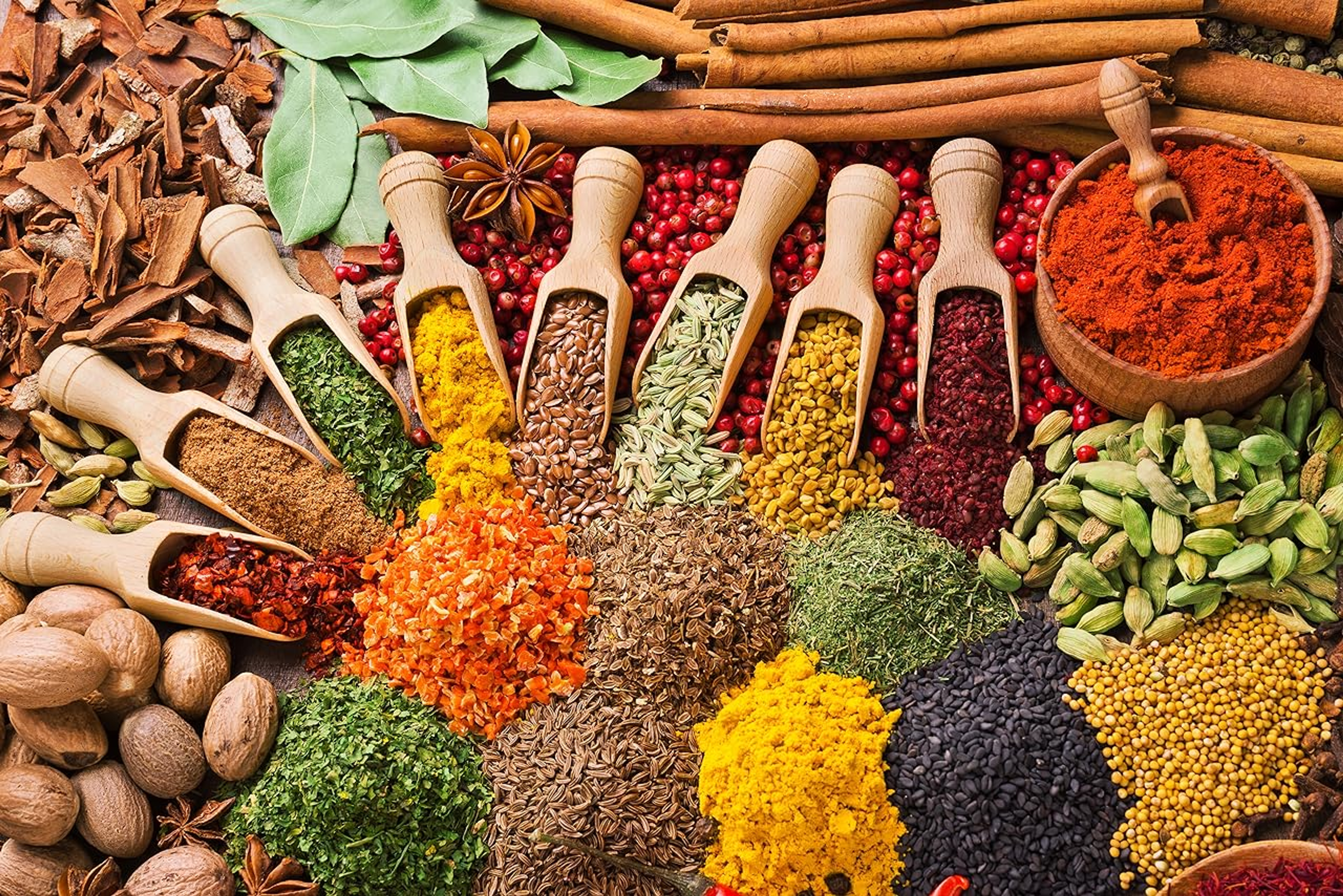
Best Spices to Export from India
If you’re starting, don’t overcomplicate. Focus on demand-driven products:
- Cumin (Jeera)
- Chilli
- Turmeric
- Coriander
- Fennel
- Fenugreek
- Black Pepper
- Cardamom
- Dehydrated Garlic & Onion
- Curry Powder & Spice Blends
- Spice Oils & Oleoresins
👉 Important:
Raw export gives volume.
Processed & branded spices give profit.
Top Countries Importing Indian Spices
Your primary target markets should be:
- United States
- United Arab Emirates (UAE)
- Saudi Arabia
- United Kingdom
- Germany
- Southeast Asia
Each market has different rules.
For example:
- USA → FDA compliance
- Europe → strict pesticide residue limits
Ignoring this is how shipments get rejected.
Documents Required for Spice Export from India
This is non-negotiable:
- IEC (Importer Exporter Code)
- GST Registration
- PAN Card
- FSSAI License
- AD Code (Bank)
- RCMC from Spices Board of India
- Phytosanitary Certificate
- Certificate of Origin
- HS Code classification
- Trademark (for branding)
If your documentation is weak, your business will not scale simple.
Step-by-Step Process to Start Spice Export Business
1. Register Your Business
Start as Proprietorship, LLP, or Pvt Ltd and complete all export registrations.
2. Select 1–2 Core Products
Don’t try to export everything.
Start focused, scale later.
3. Find Genuine Buyers
Use:
- B2B platforms
- Trade exhibitions
- Direct outreach
Be careful most beginners get trapped in fake leads.
4. Maintain Export Quality
- Proper cleaning & grading
- Lab testing
- Moisture control
- International compliance
5. Packaging & Labeling
Follow importing country norms strictly.
6. Shipping & Logistics
Work with a CHA and finalize shipping terms (FOB/CIF).
Government Support for Spice Exporters
India supports exporters through structured initiatives managed by the Spices Board of India:
- SPICED Scheme (quality + sustainability)
- Export Development Programs
- Spice Parks (processing & storage infrastructure)
These reduce cost and improve export readiness.
Can You Export Spices Through Amazon?
Yes via Amazon Global Selling.
You can:
- Sell globally
- Use Amazon FBA
- Receive INR payments
But understand this clearly:
👉 Amazon is for brand building
👉 Bulk profit comes from B2B exports
How VH Global Export Can Help
At VH Global Export, we focus on:
- Reliable sourcing of quality spices
- Export-grade processing and packaging
- Strong buyer network
- Transparent and secure shipments
If you are looking to:
- Start spice export
- Find genuine international buyers
- Supply spices in bulk
We can help you move faster and avoid costly mistakes.
Final Thoughts
Spice export is not about luck, it’s about execution.
India already has:
- Supply
- Global demand
- Government support
What most businesses lack is:
- Direction
- Consistency
- Real buyers
That’s where serious exporters stand apart.